What Makes Shea Butter So Powerful in Haircare?
Shea butter is not just a “moisturizing agent” — it’s a rich, multi-functional lipid complex packed with:
- Fatty acids (oleic, stearic, linoleic)
- Vitamins A and E
- Natural antioxidants
- Anti-inflammatory compounds
These components work synergistically to reinforce the hair’s natural lipid barrier, support flexible cuticles, and calm scalp irritation — all while deeply hydrating both hair and scalp. Most superficial guides mention moisture, but not how shea works at a biological level to strengthen hair from the inside out.
Why Shea Butter Works Better Than Many Traditional Conditioning Agents
Standard conditioners often rely on silicones and synthetic emollients to create surface-level softness. Shea butter goes beyond — it:
✔ Penetrates the hair shaft
✔ Improves elasticity over time
✔ Supports natural oil balance
✔ Helps reduce frizz by sealing cuticles
✔ Calms dry, itchy scalp conditions
This sets shea butter apart from many other conditioning agents.
How Shea Butter Shampoo and Conditioner Work Together
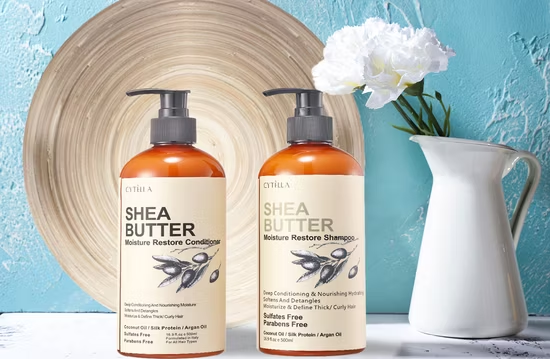
Using a shampoo and conditioner with shea butter in tandem is more powerful than using either product alone.
The Synergy
- The shampoo gently cleanses without stripping away natural oils, while beginning to deposit fatty acids that prepare the strand for conditioning.
- The conditioner then seals the cuticle, locks in moisture, and reinforces strands with nutrients that protect against heat, styling stress, and dryness.
Most articles treat shampoo and conditioner as separate products — not a system. Understanding that synergy is key to getting real results.
What Top Pages Often Miss — The Deeper Benefits
After analysing the top results for this topic, here are important points they usually leave out:
1. Scalp Health Integration
Most resources focus on softness and hydration, but fail to mention that shea butter can help maintain scalp balance by reducing irritation and supporting healthy sebum production. This is essential for reducing flakes and itchiness.
2. Hair Porosity Matters
Hair doesn’t absorb moisture equally. Porosity determines how well your hair takes in and retains moisture. Most pages don’t help you match shea butter shampoo and conditioner to your porosity level.
3. pH Balance Awareness
The effectiveness of a shampoo and conditioner duo depends heavily on pH balance — yet very few guides discuss how acid-balanced formulas help close cuticles and enhance sheen.
4. Application Technique
Simply “lather and rinse” isn’t enough. Application order, timing, and water temperature change outcomes dramatically. Few sources explain how to use products for maximum absorption.
5. Sensitive Scalp Considerations
Some consumers may react to additives, essential oils, or even the texture of shea-infused products. Most guides don’t mention how to adjust routines for sensitive or easily irritated scalps.
Real Benefits of Shea Butter Shampoo and Conditioner
Now that we’ve addressed the basics, let’s explore actual benefits you’ll experience when using these products correctly and with intention:
1. Deep Penetrating Moisture
Shea butter’s fatty acids have a unique ability to absorb into the hair shaft, hydrating from within — not just on the surface. This helps hair look softer and feel healthier in the long term.
2. Cuticle Strengthening
The rich lipid profile helps flatten and seal the hair cuticle, reducing roughness and tangles while increasing shine.
3. Improved Scalp Comfort
Anti-inflammatory components soothe dryness and minor irritation. This is especially helpful if your scalp feels tight, itchy or flaky between washes.
4. Frizz Control and Flexibility
By reinforcing cuticles and smoothing the hair surface, shea butter reduces frizz and enhances flexibility — making styling easier and less damaging.
5. Protection Against Damage
Whether from heat styling or environmental stressors, shea butter creates a protective lipid layer that helps resist breakage and strength loss.
Personalized Hair Type Guide
Choosing and using your shampoo and conditioner properly starts with understanding your hair type:
Fine or Straight Hair
Choose a lightweight shea butter shampoo and conditioner. Heavy formulas can weigh fine strands down and dull volume.
Curly or Wavy Hair
This hair type benefits immensely from deeper hydration. Choose richer formulations and allow conditioner to sit longer before rinsing.
Coarse or Textured Hair
Your hair thrives on rich lipids. A shea butter shampoo and conditioner infused with extra botanical oils helps maintain moisture in challenging climates.
Colour-Treated Hair
Look for pH-balanced formulas with UV filters and antioxidants to help preserve colour and reduce fading.
Choosing the Right Shea Butter Shampoo and Conditioner
Here’s what to consider when selecting products:
✔ Ingredients List
Aim for products where shea butter is high on the ingredient list — else its effects may be diluted by synthetic fillers.
✔ Sulfate Level
Sulfate-free or low-sulfate shampoos help preserve natural oils and prevent dryness.
✔ pH Balance
Acidic or neutral formulas help close cuticles and enhance shine after cleansing.
✔ Additives
Essential oils like lavender or rosemary can provide additional benefits, but too much fragrance may irritate sensitive scalps.
How to Use Your Shea Butter Shampoo and Conditioner
Using these products properly maximises their effectiveness:
Step 1 — Pre-Rinse Hair with Warm Water
Warm water opens cuticles and prepares hair for cleansing.
Step 2 — Apply Shampoo Gently
Massage shea butter shampoo into the scalp with fingertips. Focus on roots where oil and buildup accumulate.
Step 3 — Rinse Thoroughly
Ensure all shampoo is removed before conditioning. Residue can weigh hair down or attract dirt.
Step 4 — Apply Conditioner Mid-Length to Ends
Avoid applying conditioner directly to the scalp unless your conditioner is designed for root hydration.
Step 5 — Leave Conditioner On for 3–7 Minutes
This allows shea butter to properly absorb and soften hair.
Step 6 — Cool Water Rinse
This helps close cuticles and lock in moisture for longer-lasting smoothness.
Common Mistakes People Make
Even natural products can fall short if used incorrectly. Avoid these errors:
Using Too Much Product
A small amount goes a long way with shea butter formulas. Excess can cause buildup.
Skipping Rinse Time
Conditioner needs time to work. Rinsing too quickly limits benefits.
Washing with Hot Water
Hot water opens cuticles — great for shampooing — but it also strips moisture. Always finish with cool water for best results.
Omitting Scalp Massage
Massage stimulates blood flow to follicles and helps products absorb deeper.
Sensitivity and Patch Testing
A subtle but crucial step that most pages don’t mention:
If you have a sensitive scalp, patch test new products on a small area of skin before full use. Shea butter itself is gentle, but fragrances, essential oils, or preservatives can cause reactions in rare cases.
How Often Should You Use Shea Butter Shampoo and Conditioner?
Hair type and lifestyle determine frequency:
✔ Oily Scalp: 2–3 times per week
✔ Normal Hair: 2 times per week
✔ Dry or Curly Hair: 1–2 times per week
✔ Very Dry or Damaged Hair: Once per week plus co-washing between washes
Shea butter’s rich lipid content means you don’t need daily cleansing — over-washing can strip natural oils and counteract benefits.