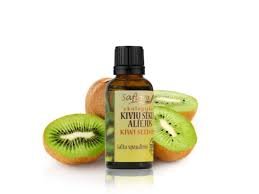
The Nutrient Science Behind Kiwi Seed Oil
Understanding the scientific makeup reveals why this oil delivers results that go beyond surface hydration.
Rich in Essential Fatty Acids
- Alpha-linolenic acid (omega-3)
- Linoleic acid (omega-6)
- Oleic acid (omega-9)
The presence of omega-3 fatty acids, which many plant oils lack, supports deep skin nourishment and barrier function more effectively than oils that contain only omega-6 and omega-9.
High Levels of Vitamin E
This natural antioxidant plays a dual role:
- Protecting cells from oxidative stress
- Supporting collagen formation and structural integrity
Polyphenols and Phytosterols
These compounds calm inflammation and support regenerative processes — which most superficial articles barely mention.
This unique nutrient blend empowers kiwi seed oil to hydrate, protect, and repair — not just soften.
How Kiwi Seed Oil Works Inside the Skin
Most pages simply state “kiwi seed oil moisturizes the skin,” but they fail to explain how it integrates into skin biology.
Barrier Function Reinforcement
Omega fatty acids help reconstruct the lipid matrix in the skin’s outer layer. This strengthens the barrier that protects against dryness, irritation, and environmental stress.
Antioxidant Support at a Cellular Level
Vitamin E and polyphenols help neutralize free radicals deep within skin cells, which supports collagen resilience and slows visible aging.
Hydration Without Greasiness
Unlike heavy emollients, the oil’s molecular structure allows it to absorb quickly, delivering hydration within deeper skin layers rather than simply coating the surface.
Together, these mechanisms help your skin remain supple, resilient, and balanced — not just soft temporarily.
Benefits You Don’t See in Typical Articles
Beyond basic hydration and antioxidant claims, here’s what most public content doesn’t fully explain…
A. Supports Elasticity and Firmness
Omega-3 fatty acids help reinforce epidermal structure. Over time, regular use of the oil can contribute to improved firmness and elasticity, especially in combination with massage techniques.
B. Enhances Skin Calmness and Tolerance
Kiwi seed oil’s natural anti-inflammatory compounds help soothe sensitivity, redness, and irritation from environmental stressors — making it ideal for reactive or sensitized skin.
C. Balances Oil Production
Unlike heavier oils that can feel occlusive, this oil helps support the skin’s natural oil balance. When blended into your routine strategically, it can help control excess sebum while improving hydration.
D. Scalp and Hair Renewal
Most resources mention hair shine or conditioning — but few describe how the oil supports scalp health by helping to regulate lipid balance and reduce dryness, which in turn supports stronger, healthier hair growth.
E. Antioxidan Defense Layer
Rather than simply preventing free radicals, the unique antioxidant profile helps support internal cellular defenses that maintain structural integrity over time.
How to Use Kiwi Seed Oil — Expert Routines
To maximize the benefits discussed above, here are step-by-step routines you can follow:
A. Daily Facial Routine
Morning
- Cleanse your skin gently.
- Apply 2–4 drops of kiwi seed oil.
- Press into skin using upward strokes.
- Follow with SPF to protect and lock in benefits.
Evening
- Double-cleanse if wearing makeup.
- Apply exfoliating serum 1–2 times weekly.
- Layer 3–5 drops of oil before your night cream.
B. Barrier Repair Technique
For dry, compromised, or winter-stressed skin:
- Use a hydrating serum (hyaluronic acid) first.
- Warm a few drops of oil in your palms.
- Massage gently in upward motions to improve circulation.
This helps your body absorb and retain hydration more effectively.
💇 C. Hair & Scalp Therapy
Scalp Nourishment
- Warm 1 tbsp of oil.
- Massage into scalp for 5–7 minutes.
- Leave on for 30–45 mins then wash.
Dry Hair Treatment
- Mix hair mask base with 2–3 tbsp of oil.
- Apply mid-length to ends.
- Leave for 45–60 mins.
- Shampoo thoroughly.
D. Body Skin Moisture Booster
Use the oil after showering while skin is still slightly damp for optimum absorption. This helps seal in moisture and enhances softness.
Safety, Allergies & How to Patch Test
While plant oils are generally safe for external use, it’s important to be cautious:
Patch Test
Apply a drop behind your ear or on your inner wrist and wait 24 hours to check for reactions.
Nut Allergies
Although the oil comes from a fruit seed, always proceed with caution if you have sensitive or eczema-prone skin.
Sun Exposure
Use SPF after applying the oil in the daytime — it’s hydrating but does not replace sunscreen.
How Kiwi Seed Oil Works with Other Actives
One advantage you won’t find in most top content is how this oil pairs with other skincare actives for compounded benefits:
With Vitamin C
Vitamin C serum followed by kiwi seed oil helps boost antioxidant protection and skin brightening.
With Hyaluronic Acid
Using hyaluronic acid first draws water into the skin; the oil then seals it deeply.
With AHA/BHA
Use exfoliants 1–2 times weekly and follow with the oil to soothe and support recovery.
Who Should Use Kiwi Seed Oil?
Most pages point to general benefits, but here’s a practical breakdown:
✔ Dry or dehydrated skin — deep hydration
✔ Mature skin — elasticity and resilience support
✔ Sensitive skin — soothing and calming
✔ Oily skin — balances oil without heaviness
✔ Dull skin — natural glow enhancer
✔ Dry scalp & hair — nourishing and strengthening
This oil’s lightweight feel makes it versatile across most skin and hair types.