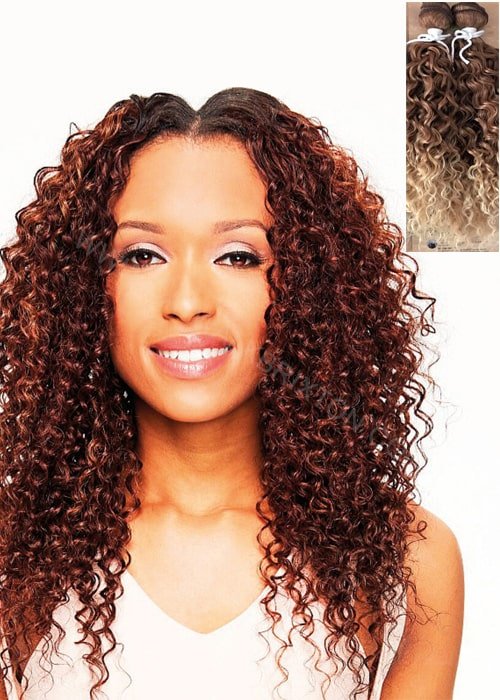
Curly Hair Weave Extensions: The Ultimate 2026 Guide by Beautyfusionuk
Curly hair weave extensions are among the most sought-after enhancements for anyone seeking dramatic length, luxurious volume, and beautifully defined texture. While many guides focus on basic maintenance and care, Beautyfusionuk brings you a comprehensive deep dive into everything most articles miss — from choosing the right curl type to installation methods, blending with natural hair, protective styling, longevity, and seasonal care.
Whether you’re a first-time wearer or a seasoned extension lover, this guide will empower you with knowledge that most top ranking pages don’t cover — in clear, actionable language.
Table of Contents
- What Are Curly Hair Weave Extensions?
- Choosing the Right Curl Type
- Installing Curly Weave Extensions: Methods & Pros/Cons
- How to Blend Curly Extensions with Natural Hair
- Maintenance Essentials (Beyond Basics)
- Night & Seasonal Care
- Common Mistakes to Avoid
- Longevity, Reuse & Cost Considerations
- Styling Ideas & Inspiration
- Frequently Asked Questions
- Final Thoughts
What Are Curly Hair Weave Extensions?
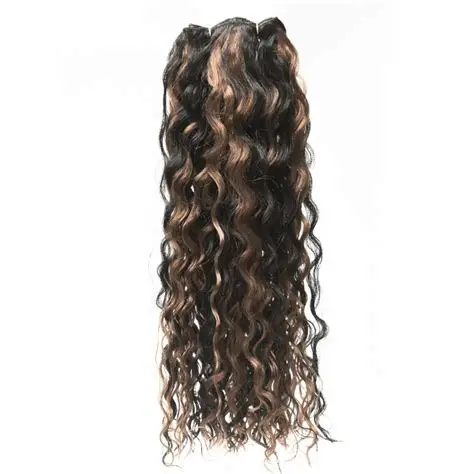
Curly hair weave extensions are bundles of hair (usually human hair) sewn, bonded, or clipped into your natural hair to add length, volume, and a curly texture that blends with your own curls. Unlike straight extensions, curly weaves require specific care and attention because of their unique structure — curls are more prone to dryness, frizz, and shrinkage.
Real curly extensions mirror your natural curl pattern, giving you seamless movement and style without the need to heat-curl or chemically alter the hair. While many guides focus on maintenance fundamentals, the real expertise lies in matching and blending these extensions to your unique curl pattern safely.
Choosing the Right Curl Type: Match Like a Pro
A gap in many top ranking pages is guidance on choosing the right curl pattern for your hair. Curly hair isn’t one-size-fits-all — and extensions that don’t match your natural texture will never blend seamlessly. Here’s how to navigate curl types:
Understanding Curl Patterns
| Pattern | Description | Best For |
|---|---|---|
| 2A–2C (Loose Waves) | Soft, S wave curls | Loose beach waves |
| 3A–3C (Medium Curls) | Defined ringlets | Natural curl enhancement |
| 4A–4C (Tight Coils) | Dense, tight coils | Afro & coily textures |
➡️ Beautyfusionuk Tip: Always choose extensions with the same or very similar curl pattern as your natural hair. Mismatched patterns will create obvious texture breaks and require more heat/styling to blend — which damages both natural hair and extensions.
Texture & Density Matching
Curl type isn’t the only factor — dense curls behave differently than looser waves. Extensions with too much density can weigh your natural hair down, while ones with too little won’t provide the fullness you want.
Quick rule of thumb:
If your hair feels thick and compact at the roots, go for extensions with higher density (labeled “full” or “double drawn”). If you have fine curls, choose medium density so your natural hair isn’t overwhelmed.
Installing Curly Weave Extensions: Methods & Pros/Cons
Most articles talk about weave extensions in general, but don’t break down installation methods specific to curly weaves. Each method affects appearance, care level, and longevity.
Sew-In (Traditional Weave)
- Pros: Strong, long-lasting, excellent protection for natural hair.
- Cons: Takes time to install; if braided too tight, can cause tension and breakage.
- Best For: Active lifestyles, long wear, protective styling.
💡 Pro Tip: Ask your stylist to use a looser braid pattern to reduce tension — curly hair tends to be more fragile at the roots.
Clip-Ins
- Pros: Fast, removable, low commitment.
- Cons: Not as secure; heavier bundles can pull at roots.
- Best For: Occasional wear, experimenting with length.
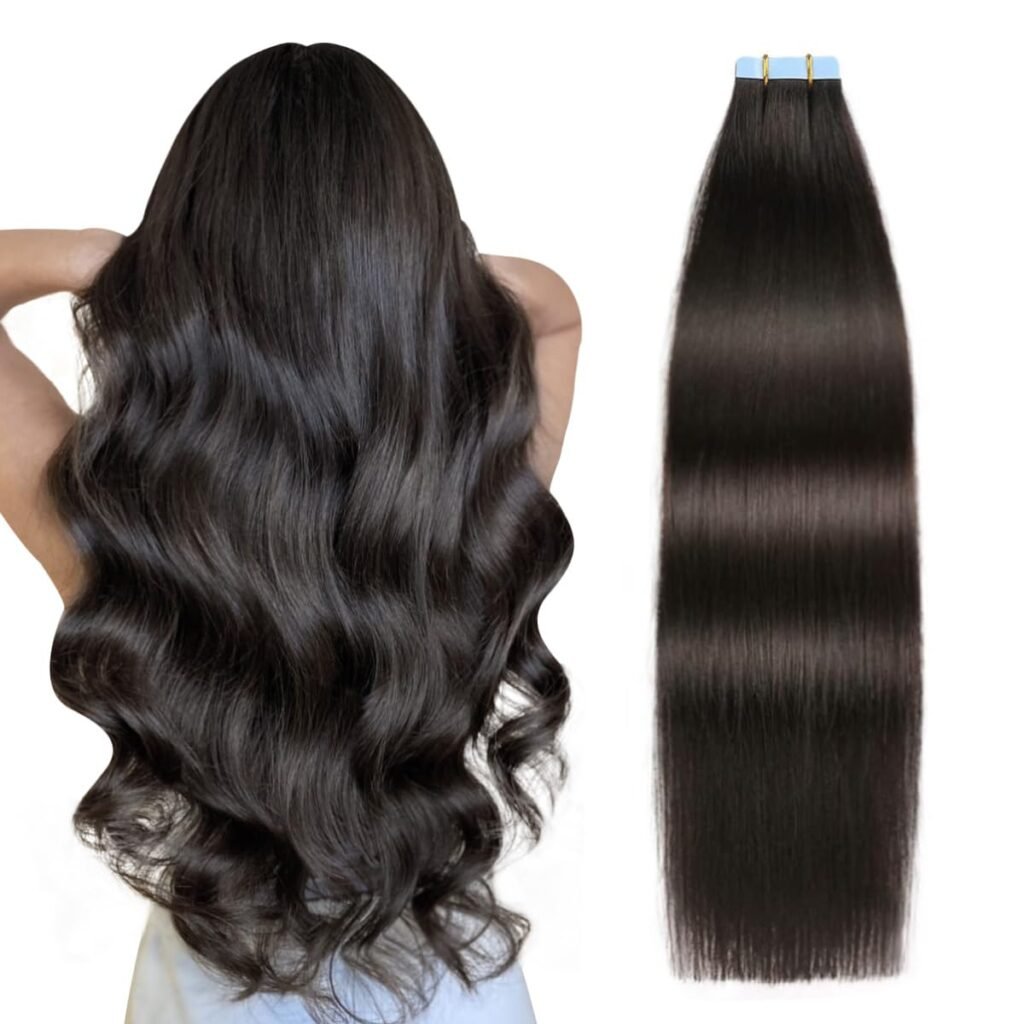
Tape-Ins & Micro-Links
While not traditional weaves, these methods can be used for curly textures with proper curl pattern matching.
- Tape-Ins: Quick install, lay flat — but require frequent adjustment.
- Micro-Links: Gentle on hair if done correctly, blends beautifully.
⚠️ Avoid glue or adhesive methods if you’re seeking long-term scalp health — adhesives can cause buildup and damage curls. Most top articles don’t warn about this.
How to Blend Curly Extensions with Natural Hair?
The biggest mistake most wearers make is thinking “extensions + home care = perfect blend.” The real art is fusion between your natural hair and extensions.
Key Blending Techniques
Moisture Sync
Curly extensions don’t receive natural oils from your scalp. This means they need external moisture to stay plump and defined. Use curl-friendly leave-ins and avoid heavy oils near the root area.
Twist/Plait Before Bed
Section your natural hair and weave curls together with small twists or plaits before sleeping. This trains both textures to align, reducing visual breaks.
Strategic Leave-Out Styling
If you keep some of your hair out around the hairline (“leave-out”), make sure you blend with twist-outs, bend-outs, or flexi rods that match the weave’s curl pattern.
Maintenance Essentials (Beyond Basics)
Most top pages teach about sulfate-free shampoo and conditioning — but here’s what rarely gets covered in depth.
Daily Care
- Moisture Refresher: Use a light water-based curl refresher spray to revive curls between washes.
- Detangling: Always detangle from ends to roots using fingers or a wide-tooth comb; never brush dry.
- Protective Styling: Braids, twist-outs, and bantu knots help preserve curl shape and reduce frizz.
Washing Technique
- Apply shampoo only at the scalp, let suds cleanse the curls without tangling.
- Conditioner goes mid-shaft to ends — avoid over-conditioning near the track/weft to prevent slippage.
Product Suggestions
- Leave-In Conditioner: Hydrates without weighing curls down.
- Curl Gel/Cream: Defines and reduces frizz.
- Diffuser with Low Heat: If using heat, never exceed moderate temperatures.
Contrary to basic articles, over-moisturising with heavy butters or oils can clog curls and cause limp, undefined texture.
Night & Seasonal Care
Night Routine
- Satin Bonnet or Pillowcase: Reduces friction and frizz.
- Loose Plaits/Twists: Keeps curls organized and prevents matting.
Seasonal Tips
- Humid Weather: Use anti-frizz serum and light gel to combat moisture in the air.
- Dry Cold Weather: Increase hydration and seal with a light oil or cream.
Most guides skip how weather affects curls — but seasonality changes how moisture interacts with hair fibers.
Common Mistakes to Avoid
Here are issues most other articles don’t address clearly:
Ignoring Scalp Care
Your scalp needs regular cleansing under a weave to avoid itchiness and buildup.
Overheating Curls
Heat tools can permanently loosen curl pattern if overused. Limit heat and always use protectants.
Leaving Weaves Too Long
Leaving a sew-in for too long (beyond recommended wear time) can lead to hair breakage and tangling near the roots.
Mismatched Patterns
Installing curls that are too different from your texture will always look unnatural.
Longevity, Reuse & Cost Considerations
How Long Do Curly Extensions Last?
With proper care, high-quality human hair bundles can last 6–12 months, depending on curl pattern and usage.
Reuse Tips
- Deep-clean after removing.
- Condition and air dry fully before storage.
- Store in satin bags or silk scarves.
Budget Guidance
Curly extensions vary widely in price — cheaper hair often tangles and loses pattern quickly. Investing in quality hair pays off in longevity and appearance.
Styling Ideas & Inspiration
Curly hair weaves open a world of styles:
- Half-Up, Half-Down: Show off curls with lift.
- High Ponytail: Curls cascading down for dramatic volume.
- Defined Ringlets: Use flexi rods for tighter shapes.
- Updo with Face-Framing Ringlets: Perfect for formal events.
Curly weaves are not just functional — they’re a fashion statement.
Frequently Asked Questions
Q: Can I swim with curly hair weave extensions?
A: Yes — but protect hair with a swim cap and maintain moisture afterward.
Q: Should I wash extensions more often than natural hair?
A: No — wash only when necessary (every 1–2 weeks) to avoid drying out curls.
Q: Can I dye curly extensions?
A: Only if they’re 100% human hair and professionally done.
Final Thoughts
Curly hair weave extensions are transformative. But they deserve specialised care, accurate curl matching, and smart styling to truly shine. Unlike many guides out there, Beautyfusionuk equips you with the knowledge most articles overlook — blending, installation comparisons, seasonal routines, night care, and styling mastery.
With the right tools and understanding, your curly weave can look natural, flourish with bounce, and last longer than you ever expected.